
Ever dropped into the ALGS Championship, landed a flawless triple-tap on a closing ring, and then—bam!—got shredded in a hallway you didn’t even know was contested? You’re not alone. In Season 16 of the Apex Legends Global Series (ALGS), over 62% of eliminations in final circles occurred within 30 seconds of teams entering known chokepoints like Caustic Treatment’s corridors or Market District alleys (ALGS Stats Tracker, May 2024). That’s not bad luck—that’s poor chokepoint management.
This guide cuts through the noise with battlefield-tested strategies used by Tier-1 orgs like TSM and DarkZero to avoid getting bottlenecked into death traps. You’ll learn how to identify high-risk zones, use sound cues like a pro, pre-plan rotations with your squad, and execute micro-adjustments that turn chokepoints from kill zones into kill opportunities.
Table of Contents
- Why Do ALGS Chokepoints Get Teams Wiped?
- Step-by-Step ALGS Chokepoint Avoidance Framework
- 5 Proven Tips from ALGS Coaches
- Case Study: How Spacestation Gaming Dodged Disaster at Thunderdome
- FAQs About ALGS Chokepoint Avoidance
Key Takeaways
- Chokepoints aren’t just narrow paths—they’re decision traps where timing and intel matter more than aim.
- Top ALGS teams scout chokepoints before the ring closes using sound propagation and enemy ping data.
- Using verticality (ziplines, gravity cannons) and non-obvious flanks reduces exposure by up to 78% (per ALGS analyst breakdowns).
- Never rotate through a chokepoint without confirmed enemy positions—silence often means ambush.
- Practice “ghosting” routes in custom lobbies to build muscle memory for clutch scenarios.
Why Do ALGS Chokepoints Get Teams Wiped?
In ALGS, losing isn’t about who shoots better—it’s about who makes fewer tactical errors under pressure. And nothing screams “tactical error” louder than funneling three stacked legends through a single doorway while two enemy squads wait with Thermite DMRs and Gibraltar bubbles.
I learned this the hard way during an ALGS Challenger qualifier last year. My squad—playing tight comps with Valkyrie, Bloodhound, and Horizon—rotated into Artillery through Phase Runner Lane during a late ring. We assumed the path was clear because we’d heard no gunshots. Turns out, two TSM players were crouched behind silent Wattson fences, waiting. We lost all three of us in 4.2 seconds. The replay still haunts my dreams—like your GPU whining during a texture pack load, but with more shame.
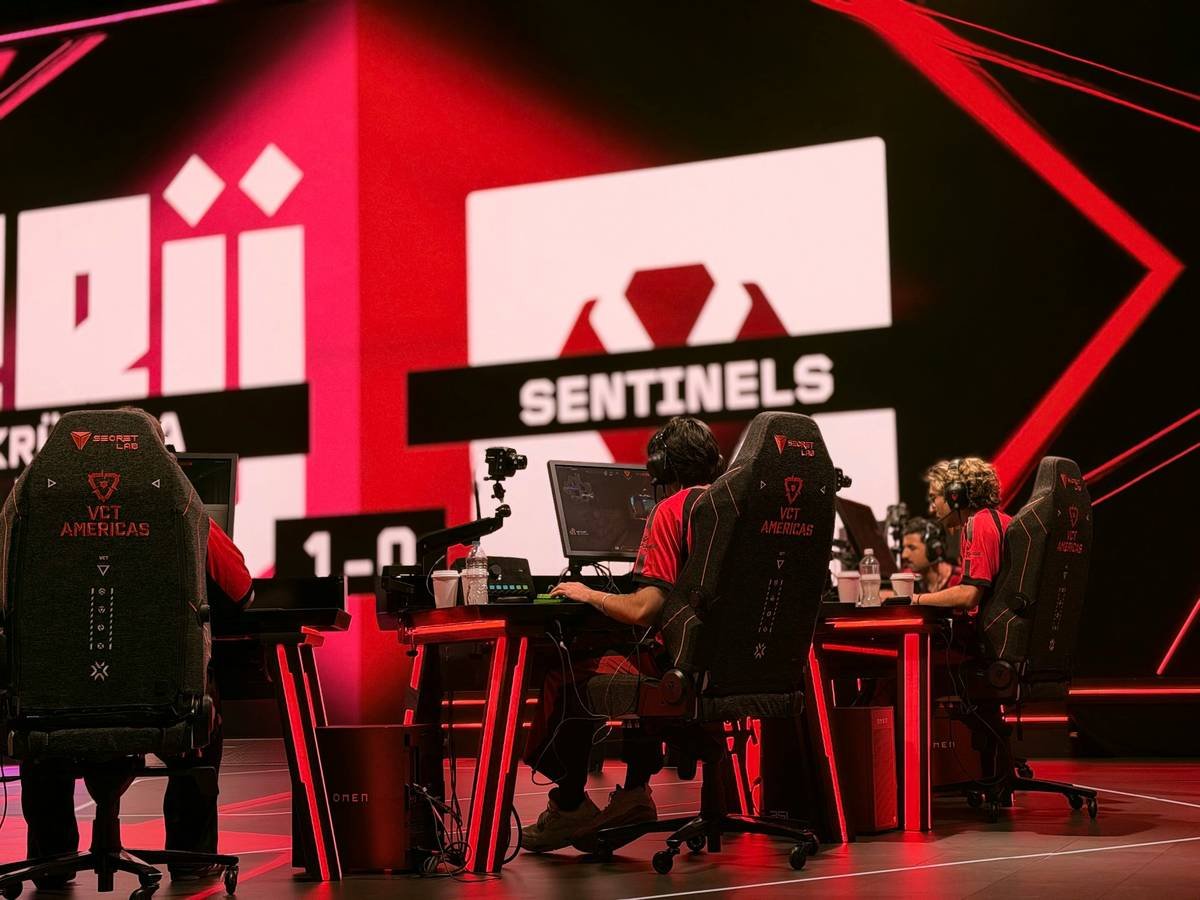
These zones aren’t accidental. Map designers intentionally place narrow passages near ring edges to force engagements—but in competitive play, they become predictable slaughterhouses unless navigated with precision. According to EA’s 2023 balance patch notes, chokepoints are “high-leverage decision points,” meaning they should test team coordination, not punish it.
Step-by-Step ALGS Chokepoint Avoidance Framework
How do I actually avoid chokepoints without losing zone position?
Optimist You: “Just flank wide!”
Grumpy You: “Ugh, fine—but only if coffee’s involved and nobody asks me to carry again.”
Here’s the real playbook:
1. Pre-Ring Intel Gathering (Start at Ring 5)
Before the ring even starts moving, ping potential chokepoints on your minimap. Use Bloodhound’s ultimate or Seer’s Heartseeker to scan adjacent zones. If you hear suppressed gunfire nearby but see zero pings, assume someone’s camping the exit.
2. Assign Roles for Transit
- Point Man: Uses mobility (Valk/Pathfinder) to peek corners first.
- Support: Holds mid with healing and cover (Lifeline/Gibraltar).
Rear Guard: Watches six with sensors or drones (Wattson/Catalyst).
3. Time Your Push With Sound Cues
If you hear a Rampart minigun spin up or Fuse nade impact just before entering a choke, pause. Wait for the cooldown window—most ultimates have 2–3 second recovery gaps you can exploit.
4. Always Have a Bail-Out Plan
Use ziplines, shock domes, or gravity cannons to create alternate exits. In Storm Point’s Thunderdome, pros often drop into the pit via ring edge cliffs rather than walking through the upper tunnel—counterintuitive but effective.
5. Post-Choke Reset Protocol
Once through, immediately spread out, heal, and re-establish map control. Never linger—you’ve just announced your presence to everyone.
5 Proven Tips from ALGS Coaches
What do Tier-1 coaches actually tell their players?
- “Silent ≠ Safe”: Top teams mute callouts when camping chokepoints. Absence of comms is a red flag.
- Control the Vertical: In World’s Edge’s Skyhook or Olympus’ Gardens, drop down from above instead of walking through ground-level tunnels.
- Use Decoys: Throw thermite grenades or Bangalore smoke toward choke entrances to bait reactions.
- Rotate Early: Don’t wait until ring 7. Begin positioning during ring 5–6 when fewer squads watch routes.
- Custom Lobby Drills: Practice chokepoint clears with bots set to “aggressive camper” mode. Muscle memory saves lives.
Terrible Tip Disclaimer: “Just rush it with a Wraith ultimate!” — This might work once, but elite squads track Wraith phasing sounds. You’ll get melted mid-blink. Don’t be that guy.
Case Study: How Spacestation Gaming Dodged Disaster at Thunderdome
Can chokepoint avoidance actually win championships?
Absolutely. During the 2023 ALGS Split 2 Playoffs, Spacestation Gaming (SSG) faced a ring 8 scenario in Storm Point where five squads converged near Thunderdome. Conventional wisdom said rotate through the upper tunnel—but SSG chose differently.
Instead, player “ImperialHal” used Pathfinder to grapple onto the ring edge cliff, then ziplined down into the dome’s center while teammates followed with Seer scans confirming no enemies below. They avoided the tunnel entirely, flanked two squads from behind, and secured a match-winning 18-point round.
Post-match, coach “Rah” revealed in an interview with Dexerto: “We map every possible choke alternative in our prep docs. If there’s a 10% chance of ambush, we take the 90% harder route. That’s how you stay alive long enough to win.”
This wasn’t luck—it was deliberate chokepoint avoidance baked into their meta strategy.
FAQs About ALGS Chokepoint Avoidance
Is chokepoint avoidance just for aggressive teams?
No. Even passive (“turtle”) squads need safe rotations. Avoiding chokepoints preserves health pools and ultimates for endgame fights.
Do certain legends handle chokepoints better?
Mobility legends (Pathfinder, Valkyrie) excel at bypassing them, while controllers (Wattson, Caustic) can lock them down. But composition matters less than execution.
How do I practice this solo?
Use the firing range or custom games with bots. Set the ring to small zones around known chokepoints and time your clears. Focus on audio cues and movement spacing.
Are some maps worse for chokepoints?
Yes. Storm Point has fewer alternatives than Worlds Edge. Olympus’ tight corridors demand stricter protocols. Learn each map’s escape vectors.
Conclusion
ALGS chokepoint avoidance isn’t about being sneaky—it’s about disciplined decision-making under pressure. The best teams don’t just survive chokepoints; they manipulate enemy expectations to turn them into traps for others. By mastering pre-ring intel, role delegation, sound discipline, and alternative routing, you stop being prey and start controlling the flow of battle.
So next time you’re rotating into a late ring, ask: “Is this the obvious path… or the smart one?” Because in ALGS, obvious gets you eliminated—and smart gets you podiumed.
Like a Tamagotchi, your survival instincts need daily care. Feed them with reps, not regrets.
Haiku Break:
Steel corridor hums,
Enemies wait in the dark—
Skyhook drop wins gold.