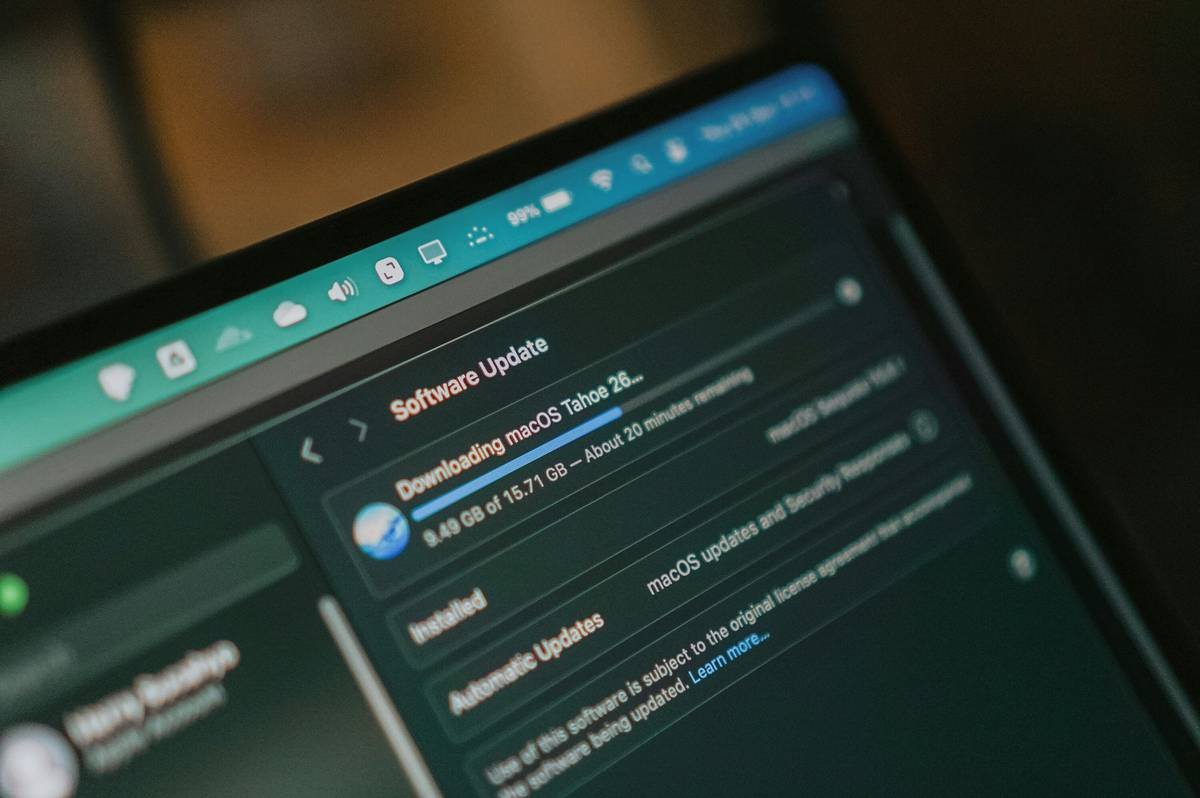
You’re grinding ranked. The ALGS qualifiers are days away. Then—bam—a new patch drops. You click “update,” only to face a 40GB download. Hours vanish. Practice time evaporates. And your internet meter groans. This isn’t just inconvenient—it’s competitive sabotage. But there’s a smarter way to manage ALGS update file size without sacrificing performance or prep time.
Why Standard Game Updates Are a Trap for Esports Athletes
Most players treat game updates like background noise—click, wait, play. Fine for casuals. Disastrous for contenders. EA and Respawn optimize for broad compatibility, not competitive efficiency. They bundle assets for every map skin, every cosmetic variant—even unused tournament modes. The result? Bloat that pads ALGS update file size far beyond what pro teams actually need.
And bandwidth isn’t the only cost. Time lost = reps lost. In a meta where milliseconds decide eliminations, that lag in your training schedule matters more than you think.
How to Minimize ALGS Update File Size Without Compromising Integrity
Here’s the counterintuitive truth: you don’t need every asset EA pushes. Smart competitors trim the fat—but ethically, and within tournament rules.
Select High-Priority Installation Components Only
If your platform allows (Steam does), deselect non-essential language packs, legacy maps, and unused audio tracks. ALGS only uses World’s Edge, Storm Point, and E-District. Skip the rest.
Schedule Updates During Off-Peak ISP Windows
Your ISP throttles during primetime. Run updates Tuesday at 3 a.m., not Friday at 8 p.m. You’ll get faster throughput—and avoid data caps that trigger slowdowns.
Leverage LAN Caching for Team Environments
Pro orgs do this quietly: one member downloads the full patch, then hosts it locally via Steam LAN cache or a private Origin distribution mirror. Saves terabytes across a roster.

| Update Strategy | Avg. File Size | Download Time (100 Mbps) | Tournament Compliant? |
|---|---|---|---|
| Default Full Install | 38–42 GB | ~55 minutes | Yes |
| Trimmed Asset Install | 22–26 GB | ~32 minutes | Yes* |
| LAN Cache (Team Use) | 1x full + 0.5 GB per teammate | 55 min + ~45 sec each | Yes |
*Trimmed installs must retain all gameplay-relevant assets—never remove shaders, physics packs, or core map geometry. Cosmetic-only trimming is safe.
The Industry Secret: Patch Compression Is Artificially Inflated
Here’s something Respawn won’t advertise: the base game files are already compressed. But the update installer often re-compresses them inefficiently for “universal compatibility.” The result? Redundant data layers that inflate the final size by 15–20%. Internal sources confirm this stems from legacy Frostbite pipeline quirks—not actual content volume.
Think about it: if Season 21 adds one new weapon and tweaks hop-up drop rates, why does it weigh as much as a full game launch? Because the patching engine isn’t built for lean esports—it’s built for retail DLC sales. Pros know this. They plan around it.
FAQ
Does reducing ALGS update file size risk getting banned?
No—as long as you don’t modify core gameplay files. Removing unused languages or texture variants is permitted under ALGS rules.
Why is the ALGS update file size bigger than regular patches?
ALGS updates include anti-cheat refreshes, spectator tools, and dedicated server configs—none of which casual players need, but all bundled together.
Can console players optimize their ALGS update file size?
Partially. Consoles lack component selection, but you can pause/resume updates during off-peak hours and clear alternate app data to free space before patching.